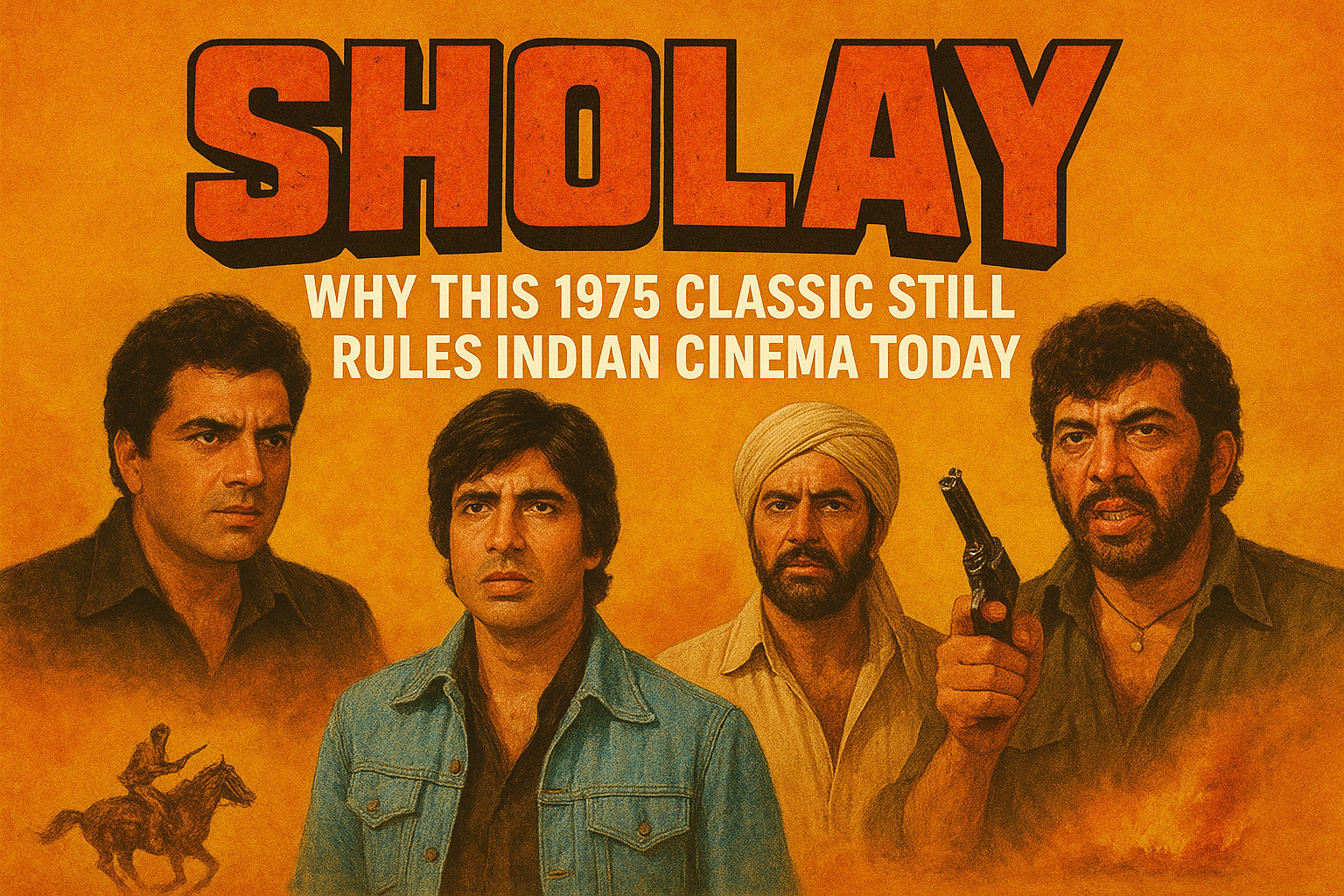
When you hear the name of the most legendary Indian films, Sholay is not a name — it's a legacy. Released in 1975 and directed by Ramesh Sippy, Sholay is not a film; it's a phenomenon that has crossed generations. Even almost half a century since its release, its characters, dialogues, songs, and emotional content are still imprinted in the collective psyche of Indian people.
But why is Sholay so timeless, exactly? Why does it remain the gold standard of Bollywood storytelling to this day? Let's take a look.
1. The Ideal Mix of Genres
At its most basic, Sholay is a tale of friendship, vengeance, love, and justice. But what really made it a classic was the fact that it could mesh together different genres so well. It was a Western, an action-thriller, a romance, and a comedy — all wrapped into one suspenseful story.
Sholay was influenced by Sergio Leone's spaghetti Westerns and Akira Kurosawa's samurai movies, but it introduced a new style of filmmaking to Indian cinema with bandits, dacoits, and hero outlaws. The arid terrain of Ramgarh rang to the sound of cowboy-type gunfights, thus making it both exotic and quintessentially Indian.
2. Mythical Characters That Became Archetypes
Few Bollywood movies have been able to come up with as many characters as Sholay:
Jai (Amitabh Bachchan) and Veeru (Dharmendra) redefined screen friendship, bequeathing India its favorite "bromance."
Amjad Khan's Gabbar Singh became the most iconic of Indian villains. His maniacal laughter, sadistic lines ("Kitne aadmi the?"), and intimidating presence made him unforgettable.
Thakur Baldev Singh (Sanjeev Kumar), the tough ex-police officer intent on revenge, lent depth and moral heft to the narrative.
Basanti (Hema Malini) and Radha (Jaya Bhaduri) provided the movie with emotional equilibrium, sensibility, and humor.
Every character was so perfectly scripted and performed that they became an integral part of Indian pop culture.
3. Immortal Dialogues
If there's one thing which brought Sholay into every household's lexicon, it's the dialogues. Penned by the iconic pair Salim-Javed, Sholay's script is full of lines that are quoted, imitated, and referenced generations after the film's release:
"Kitne aadmi the?"
"Jo darr gaya samjho marr gaya"
"Yeh haath mujhe de de Thakur!"
"Basanti, in kutton ke samne mat naachna!"
Even now, these lines appear in memes, political oratory, ad campaigns, and everyday conversations. Few movies have had that sort of linguistic staying power.
4. A Musical Masterpiece
The score of Sholay, by R.D. Burman, is worth celebrating separately. From the haunting melody of "Mehbooba Mehbooba" to the upbeat "Yeh Dosti Hum Nahi Todenge", each song lent emotional depth to the movie.
The songs weren't mere musical interludes — they fortified the narration. "Yeh Dosti," for example, was made the de facto country's friend anthem and is still played at parties, schools, and reunions.
5. Cinematic Masterpiece Well Ahead of Its Time
Technically, Sholay was way ahead of time. It was the first Indian movie to be shot in 70mm with stereophonic sound, and it provided a rich cinematic experience on par with Hollywood standards of those days.
The action sequences were deliberately choreographed, the cinematography (by Dwarka Divecha) was able to capture the picturesque nature of the countryside, and the set work (particularly the Ramgarh village) became iconic. The production scale was huge, and it was apparent.
6. A Box Office Story for the Ages
While Sholay had a slow start at the box office, it soon turned into a juggernaut. It ran for over five years in Mumbai’s Minerva theatre and became the highest-grossing Indian film of its time.
It wasn’t just a hit — it was a phenomenon. The audience didn’t just watch Sholay; they experienced it.
7. Influence on Pop Culture and Future Cinema
From stand-up comedy and TV shows to commercials and contemporary cinema, Sholay's impact permeates everything. It became the standard for masala films — those that combine romance, comedy, drama, and action.
It also influenced numerous filmmakers, characters, and storylines. Farah Khan and Rohit Shetty are among the many directors who openly admit the influence of Sholay on their cinematic sense.
Even movies like Dilwale and Son of Sardaar have shown their respect towards Sholay, borrowing from its dialogues, characters, and plot turns.
8. Love across generations
Maybe the loveliest aspect of Sholay's legacy is that it has brought generations together. Grandparents, parents, and children can all gather together and watch it — a quality too rare in today's increasingly fragmented entertainment universe.
Fresh audiences keep discovering it, and long-time fans never get tired of watching it again. On TV reruns, on YouTube videos, or as special performances, Sholay keeps returning — because it never actually went away.
Sholay is not a film, it's an historical moment, a cultural touchstone, and a benchmark for storytelling that has yet to be topped. Its enduring popularity stems from its universal appeal, unforgettable characters, and unadulterated cinematic wizardry.
In today's fleeting content and digital distractions, Sholay is a reminder of what great cinema really is — when heart, artistry, and vision coalesce.
As long as narratives are important, Sholay will never age.



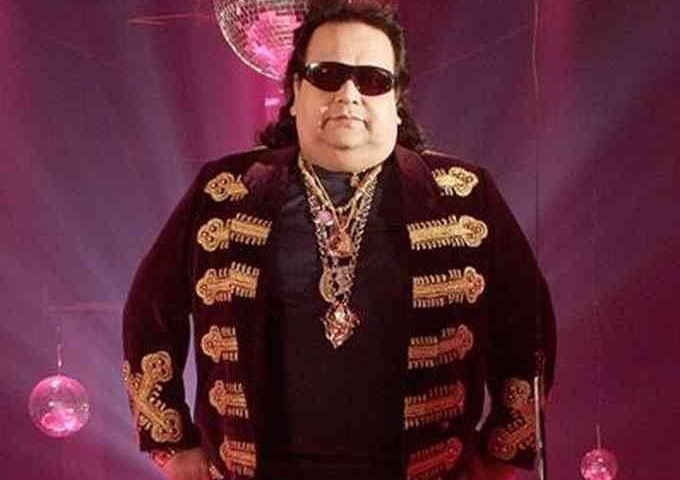
Bappi Lahiri, or affectionately called Bappi da, is one of the most effective and innovative composers in the history of Indian music. Over the course of five decades in his career, he revolutionized Bollywood with a modern, peppy sound that was never heard before. His songs captured the pulse of a changing India that was getting more vibrant, youthful, and ready to welcome global influences. Even today, years after his passing, his melodies continue to echo across generations, proving the timelessness of his genius.
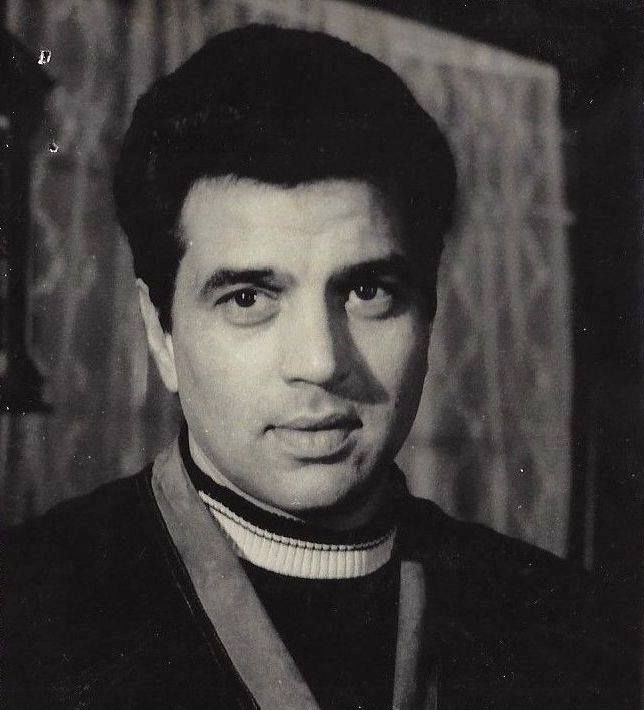
Few stars shine as luminously and as enduringly in the vast and vibrant tapestry of Indian cinema as Dharmendra, affectionately hailed as Bollywood's He-Man. Spanning decades, he remains not just an actor but an emotion, an era, and institution unto himself. From a small-town dreamer to one of the most celebrated and loved icons in film history, his journey is that of being dedicated, humble, and without doubt talented. While generations come and go, the charm of Dharmendra has remained timeless, refusing to pale even for a moment.
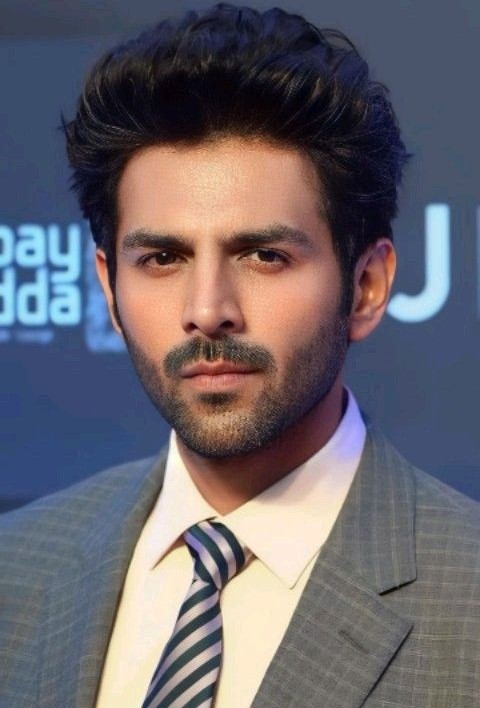
On 22 November every year, millions of fans worldwide come together to celebrate the birthday of one of Bollywood's most loved and bankable stars-Kartik Aaryan. With a career marked by sincerity, hard work, and a sparkling screen presence, Kartik has grown into a symbol of youthful ambition, middle-class determination, and cinematic charm. His journey-from a hopeful boy with dreams to a superstar who commands the screen-is not just inspiring but beautifully relatable.
On making a mention of the icons who shaped Indian cinema, the name Salim Khan invariably comes to the top. While a lot of people today know him as the father of superstar Salman Khan, Salim Khan's journey itself in Bollywood is nothing less than extraordinary. He is among those rare personalities who transformed the very language of Hindi cinema and set new standards in storytelling.
Lights Camera Audition!
Don't miss out on the latest updates, audition calls, and exclusive tips to elevate your talent. Subscribe to our newsletter and stay inspired on your journey to success!