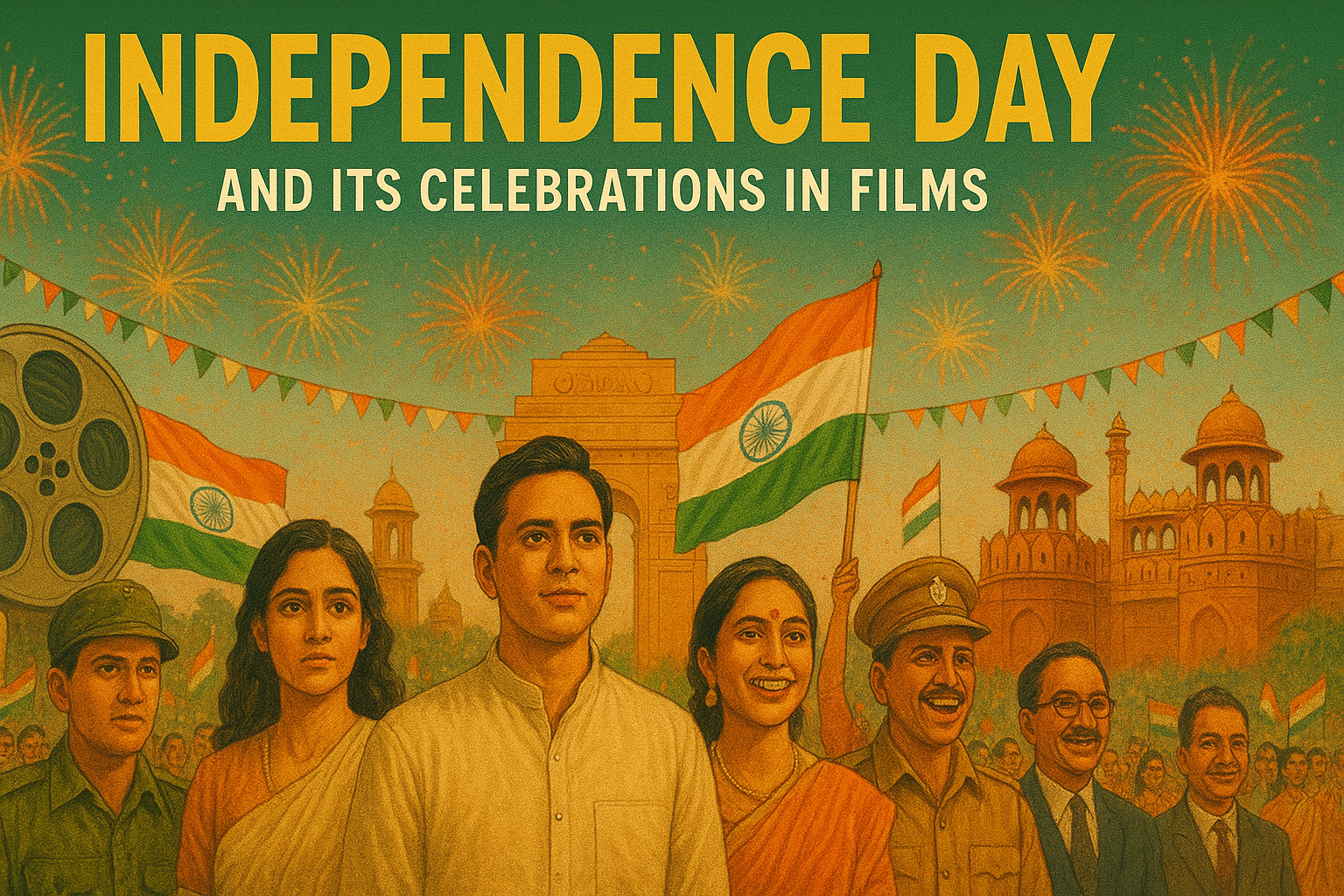
Every year on the 15th of August, India celebrates its Independence Day with unmatched fervor and national pride. It is the day when the British colonial empire abandoned the nation in 1947 and a free country came into being to shape its own destiny. There are tricolor-lined streets, patriotic songs that fill the neighborhoods, and citizens across the country salute the unnumbered number of freedom fighters who gave their lives for this day. Parades, flag hoisting ceremonies, and cultural presentations form the core of real celebrations, Indian films have done much in keeping the spirit of patriotism alive over the decades.
In so many respects, films have been an image of India's freedom struggle, projecting stories of courage, rebellion, and sacrifice that not just educate but also motivate. Independence Day isn't just celebrated on the roads—it's also enacted quite intensely on the screen.
The Power of Patriotism in Indian Cinema
Indian cinema has always been patriotic in nature. From the pre-independence films that criticlessly but politely spoke against the colonial regime to the current blockbusters glorifying the sacrifice of soldiers and freedom fighters, the industry has never feared to raise the national flag high.
Movies like Shaheed (1965), the story of Bhagat Singh, and Gandhi (1982), a biographical film on Mahatma Gandhi, bring history alive and keep the audience reminded of India's fight for independence. These films are more often than not screened on Independence Day, becoming a part of the process of celebration itself.
Independence Day in Contemporary Bollywood
Currently, films have new meanings and means of expressing the connotation of independence. The plot has now shifted from colonialism to broader issues like national security, identity, and the price of freedom.
Take Rang De Basanti (2006), for example. It draws the lives of young Indians alongside revolutionaries like Bhagat Singh, establishing a powerful link between past and present. The film resonated with the youth and created real debates relating to activism and patriotism.
Similarly, Chak De! India (2007) uses sport as metaphor for patriotism, following the Indian women's hockey team's rags-to-riches journey to victory. While not technically a quintessential Independence Day movie, its release and success during this time of year every year speaks volumes about how far the holiday's celebration has extended in cinema.
War Films and Heroism
Another extremely popular genre on Independence Day are war movies. These praise the valour of soldiers and their steadfast patriotism for the motherland. Border (1997), LOC Kargil (2003), and Shershaah (2021) are poignant stories of India's soldiers.
Shershaah, based on the life of Captain Vikram Batra, was a cultural phenomenon when it was released, especially around Independence Day. His famous line, "Yeh dil maange more!" was symbolic of young bravery and devotion. The film entertained while also rekindling the respect for the army among younger generations.
Independence Day as a Plot Device
Interestingly, most filmmakers opt for Independence Day itself as a setting or turning point in the story. For example, Swades (2004), starring Shah Rukh Khan, traces the journey of an NRI returning to his native land, eventually resulting in his taking up the cause of serving rural India. Released near Independence Day, the movie resonates with themes of duty, self-discovery, and national growth—fundamental principles of post-independence development.
holiday: A Soldier is Never Off Duty (2014) is another example of this type, where the lead uncovers and thwarted a terrorist conspiracy while on holiday. The film emphasizes that patriotism is not in dates and ceremonies—it's an everyday responsibility.
Global Comparisons: Independence Day in World Cinema
The impact of Independence Day is not only experienced in Indian film. Globally, films like Independence Day (1996), though sci-fi based, utilize the cause of coming together and resistance against tyranny—by extra-terrestrial forces no less—to try to tap the same emotional strength.
These movies, although fiction, are rejoicing in a shared human spirit: to desire freedom, to resist domination, and to fight for one's nation. That is the reason patriotic films, either Hollywood or Bollywood, continue to attract consenting audiences.
Cinema as a Cultural Connector
On Independence Day, India's families gather at home not to simply celebrate, but to view these movies. They bring generations together in one cause, living the tales of courage and sacrifice again. With a country as cosmopolitan as India, it is the cinema that serves as the uniting force, reminding the country about commonalities that unite them.
TV stations continually broadcast special shows, streaming classic patriotic and modern hits alike. Websites also catch the wave, promoting applicable movies, reminding viewers to relive the stories that defined the nation.
Freedom on and off Screen
Independence Day is not a date on the calendar; it's the victory celebration of India's soul—its struggles and triumphs, and its unbroken spirit. Film entertains us, but it also reminds us of who we are and where we come from. Heroes on the screen represent sacrifices of real heroes whose life histories still inspire.
While we hoist the flag and sing our national anthem each year, it is time to pause and reflect upon how films are part of our collective memory. Whether you see Lagaan, Uri, or The Legend of Bhagat Singh, you're not just watching a film—you're celebrating freedom.
So this Independence Day, in addition to the fireworks and flag hoist, carve out time to watch a classic or discover a new movie tribute to India's journey. Because at times, the greatest revolutions occur not on the battlefields—but in the minds of spectators, in remembrance, and in pride.



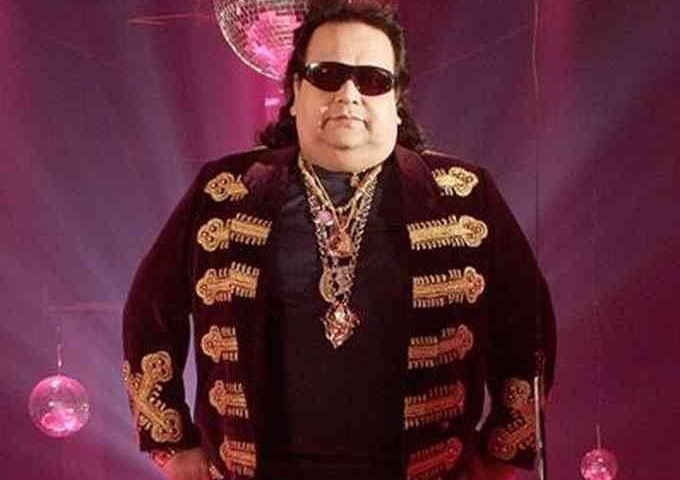
Bappi Lahiri, or affectionately called Bappi da, is one of the most effective and innovative composers in the history of Indian music. Over the course of five decades in his career, he revolutionized Bollywood with a modern, peppy sound that was never heard before. His songs captured the pulse of a changing India that was getting more vibrant, youthful, and ready to welcome global influences. Even today, years after his passing, his melodies continue to echo across generations, proving the timelessness of his genius.
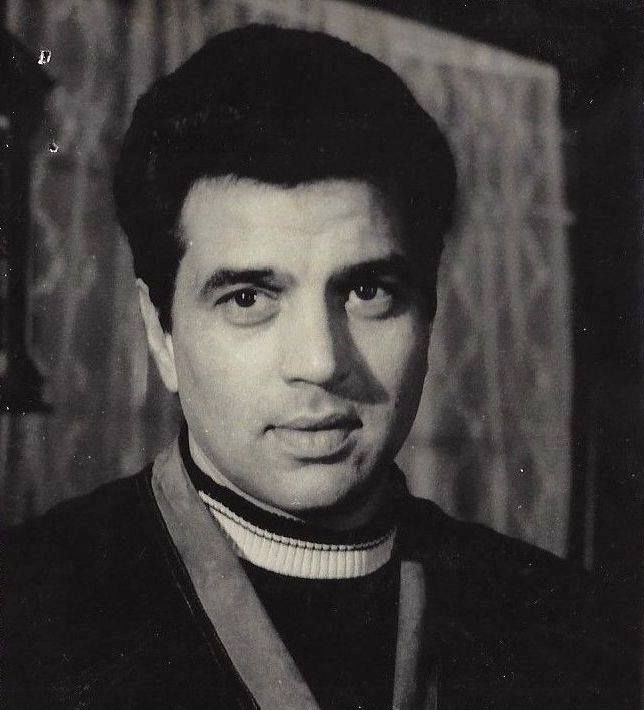
Few stars shine as luminously and as enduringly in the vast and vibrant tapestry of Indian cinema as Dharmendra, affectionately hailed as Bollywood's He-Man. Spanning decades, he remains not just an actor but an emotion, an era, and institution unto himself. From a small-town dreamer to one of the most celebrated and loved icons in film history, his journey is that of being dedicated, humble, and without doubt talented. While generations come and go, the charm of Dharmendra has remained timeless, refusing to pale even for a moment.
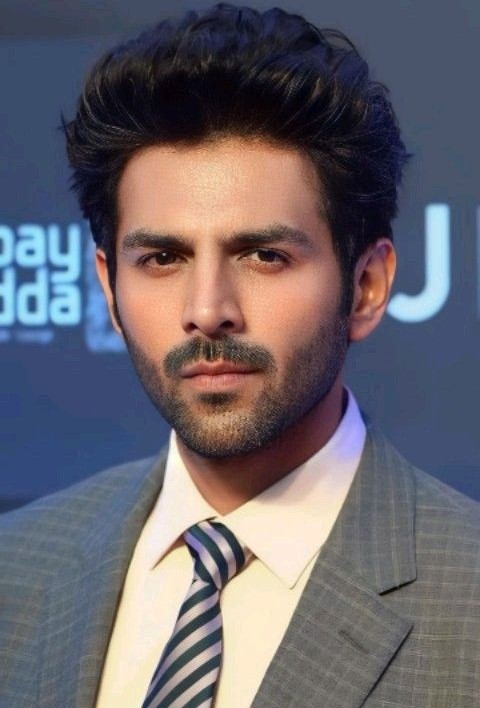
On 22 November every year, millions of fans worldwide come together to celebrate the birthday of one of Bollywood's most loved and bankable stars-Kartik Aaryan. With a career marked by sincerity, hard work, and a sparkling screen presence, Kartik has grown into a symbol of youthful ambition, middle-class determination, and cinematic charm. His journey-from a hopeful boy with dreams to a superstar who commands the screen-is not just inspiring but beautifully relatable.
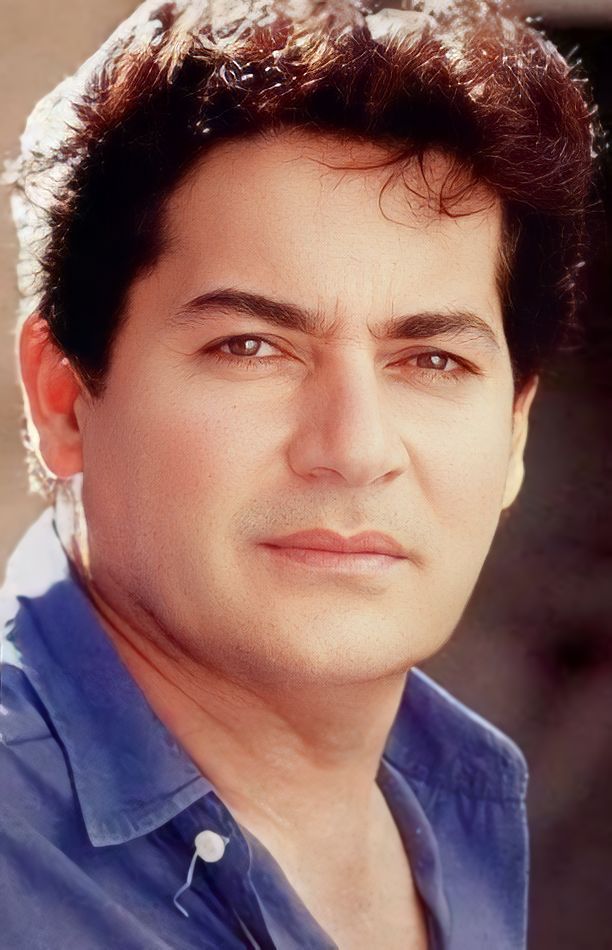
On making a mention of the icons who shaped Indian cinema, the name Salim Khan invariably comes to the top. While a lot of people today know him as the father of superstar Salman Khan, Salim Khan's journey itself in Bollywood is nothing less than extraordinary. He is among those rare personalities who transformed the very language of Hindi cinema and set new standards in storytelling.
Lights Camera Audition!
Don't miss out on the latest updates, audition calls, and exclusive tips to elevate your talent. Subscribe to our newsletter and stay inspired on your journey to success!