
If you’re an actor trying to improve from home, practicing monologues and filming self-tapes is a great way to stay ready for your next big break.
Pick the right monologue. Choose something you connect with. It should show your personality and acting range. Try not to pick monologues that everyone uses—you want to stand out.
Understand the character. Ask yourself: What do they want? How do they feel? Practice saying the lines out loud in different ways to find what feels natural.
Record yourself. Use your phone and film a few takes. Watch them back and see what you like—or what you can improve. It’s a great way to catch habits like talking too fast or not showing enough emotion.
Set up your space. Find a quiet, well-lit spot. A blank wall works great. Use natural light or a cheap ring light. Prop your phone up on books if you don’t have a tripod.
Keep the sound clear. Make sure there’s no background noise, and speak clearly.
Practice often. The more you do it, the more comfortable and confident you’ll feel on camera—and that shows.
Image Credit: istockphoto



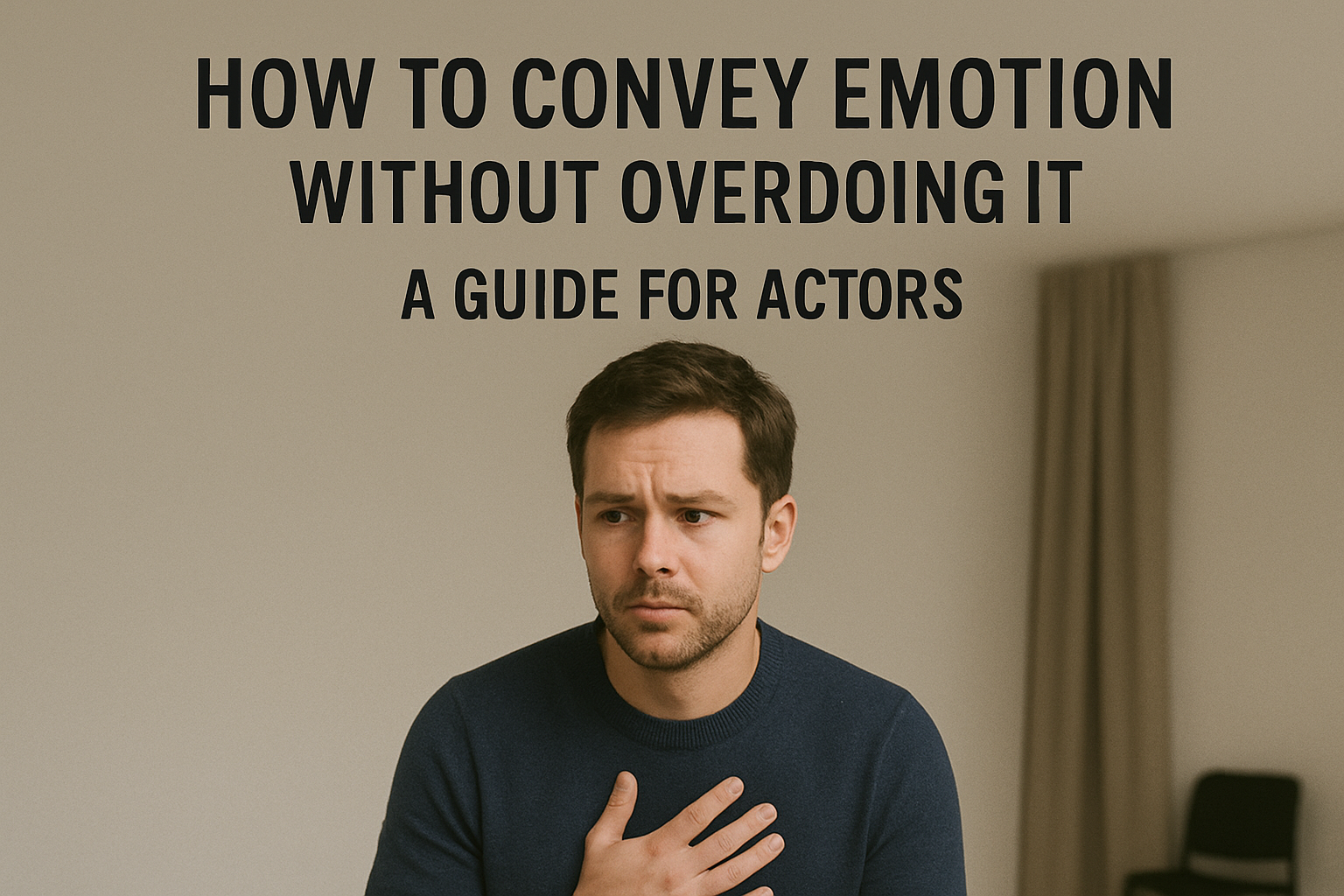
Among the tough battles actors face is how to find the most appropriate balance between emotion display and overacting, either on stage, on camera, or when going for auditions. Many performers fear that without adequate emotions, the moment will fall flat. On the other hand, if emotions are overt, the performance may become exaggerated or not true to life.
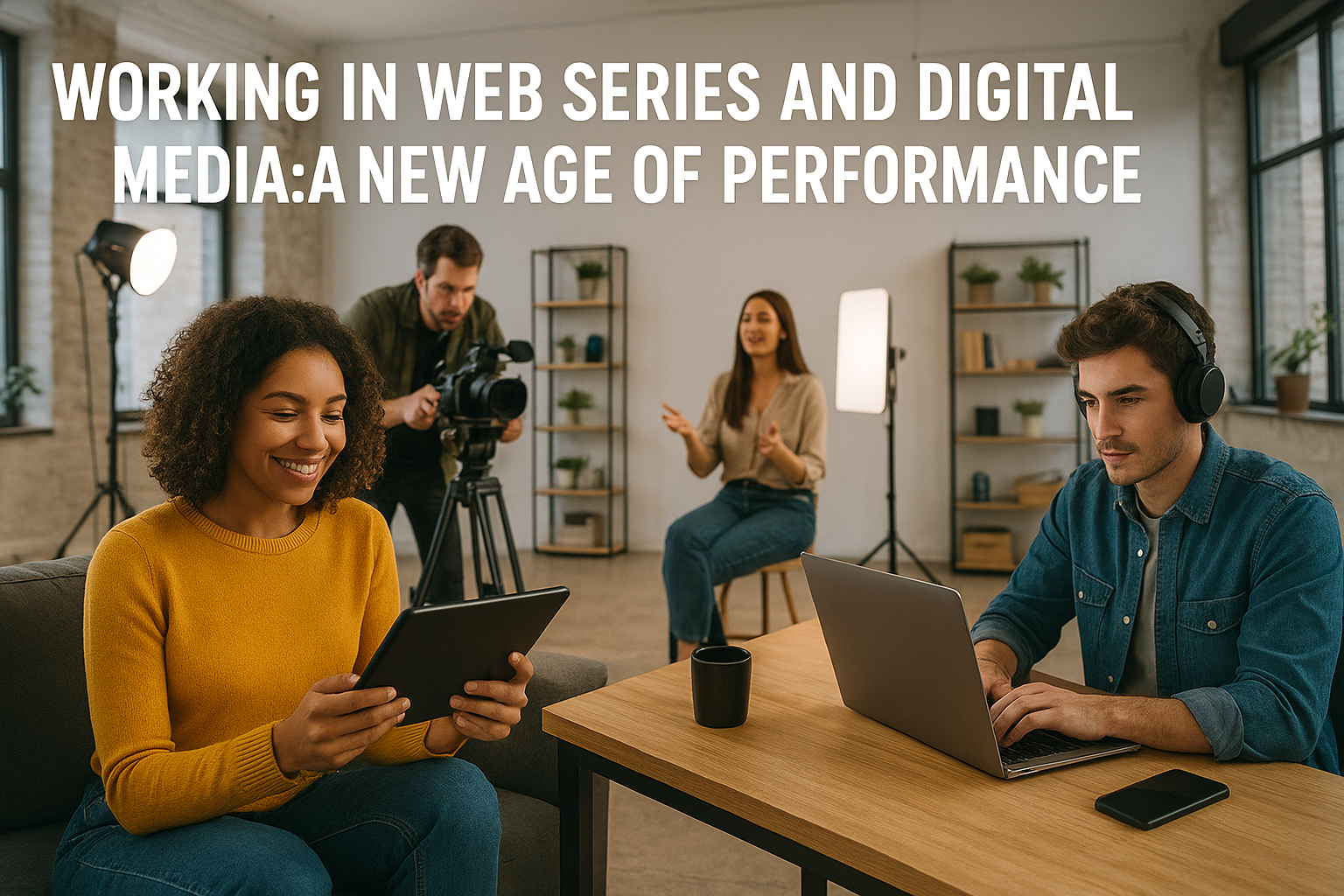
The entertainment sector is witnessing a huge shift, and the epicenter of this revolution is digital media. Those days are long gone when acting careers were reserved for silver-screen movies or television. Now, web series and digital media such as Netflix, Amazon Prime, Hotstar, YouTube, and MX Player have opened up the floodgates of opportunities for thespians. But what does it actually mean to be an actor in the digital age? Is it all that different from acting in the past? And why do web series prove so engaging as a platform for new and established performers?
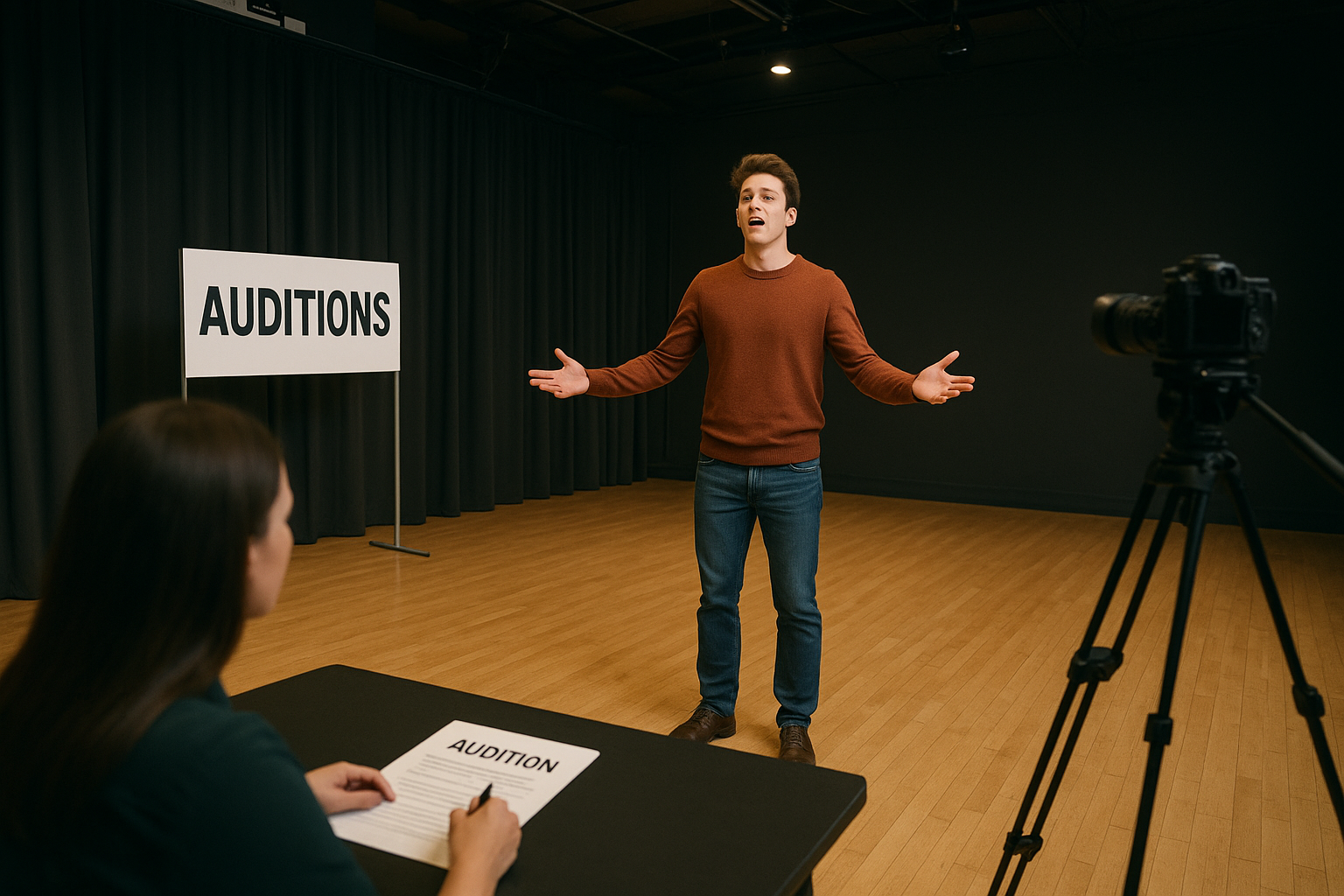
Acting may be an art, but in the world of professional performance, it begins long before the cameras roll or the stage lights shine. It begins with the audition — the often nerve-wracking, unpredictable process that determines whether an actor even gets the chance to perform. For aspiring actors, understanding the relationship between auditioning and acting is not just important — it's essential. One feeds into the other, and together, they shape an actor’s growth, resilience, and ultimate success.
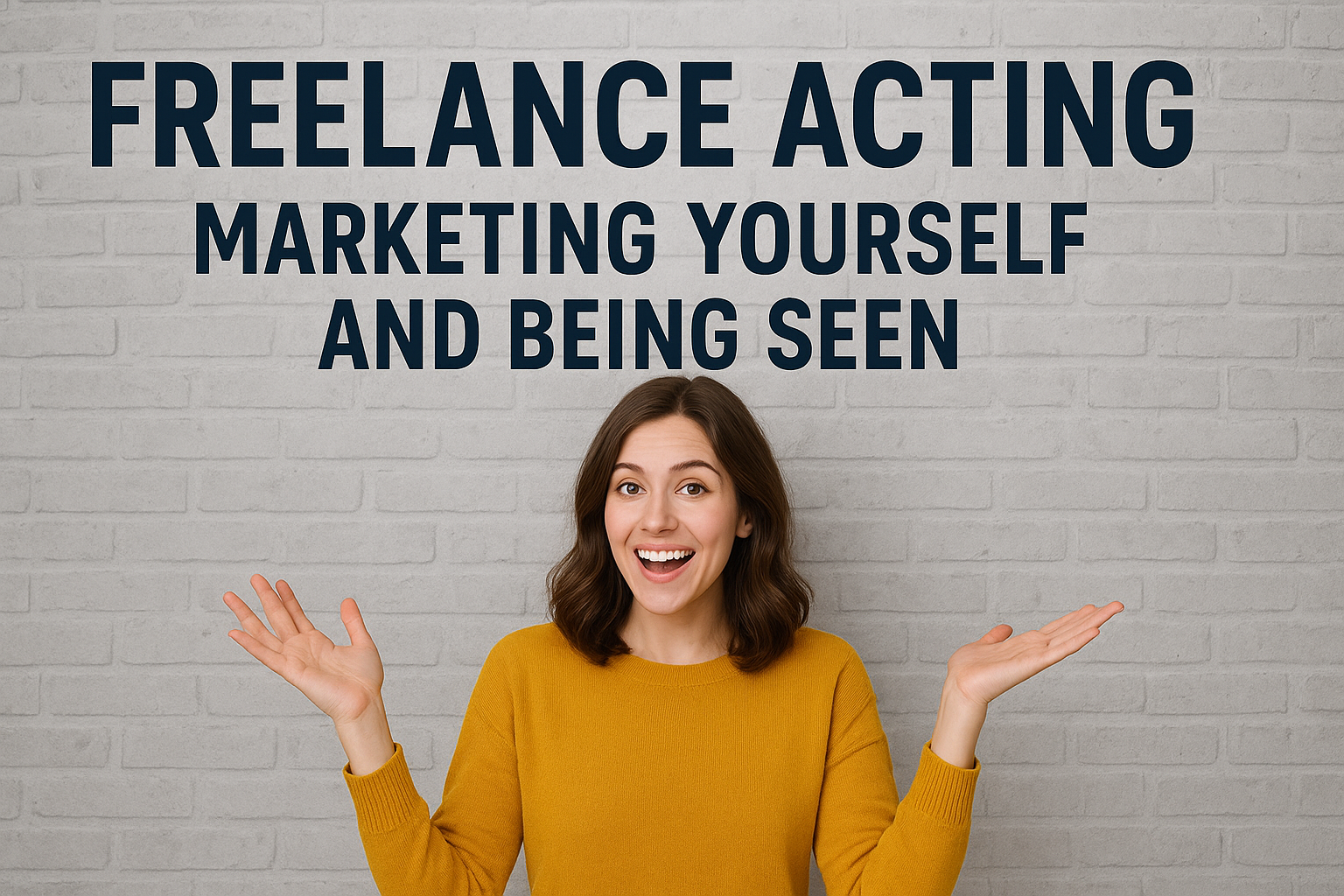
Getting into acting is hard — but succeeding as a freelance actor might be harder. Without the support of a large agency, production company, or manager, you're basically a sole proprietorship. You're the product, the marketer, the promoter, and the brand. So how do you become visible? How do you promote yourself as a freelance actor among so many talented individuals? Whether you're new to the game or wanting to level up, this guide will take you through essential strategies to create visibility, bring in opportunities, and establish yourself as a player in the cutthroat industry of freelance acting.
Lights Camera Audition!
Don't miss out on the latest updates, audition calls, and exclusive tips to elevate your talent. Subscribe to our newsletter and stay inspired on your journey to success!