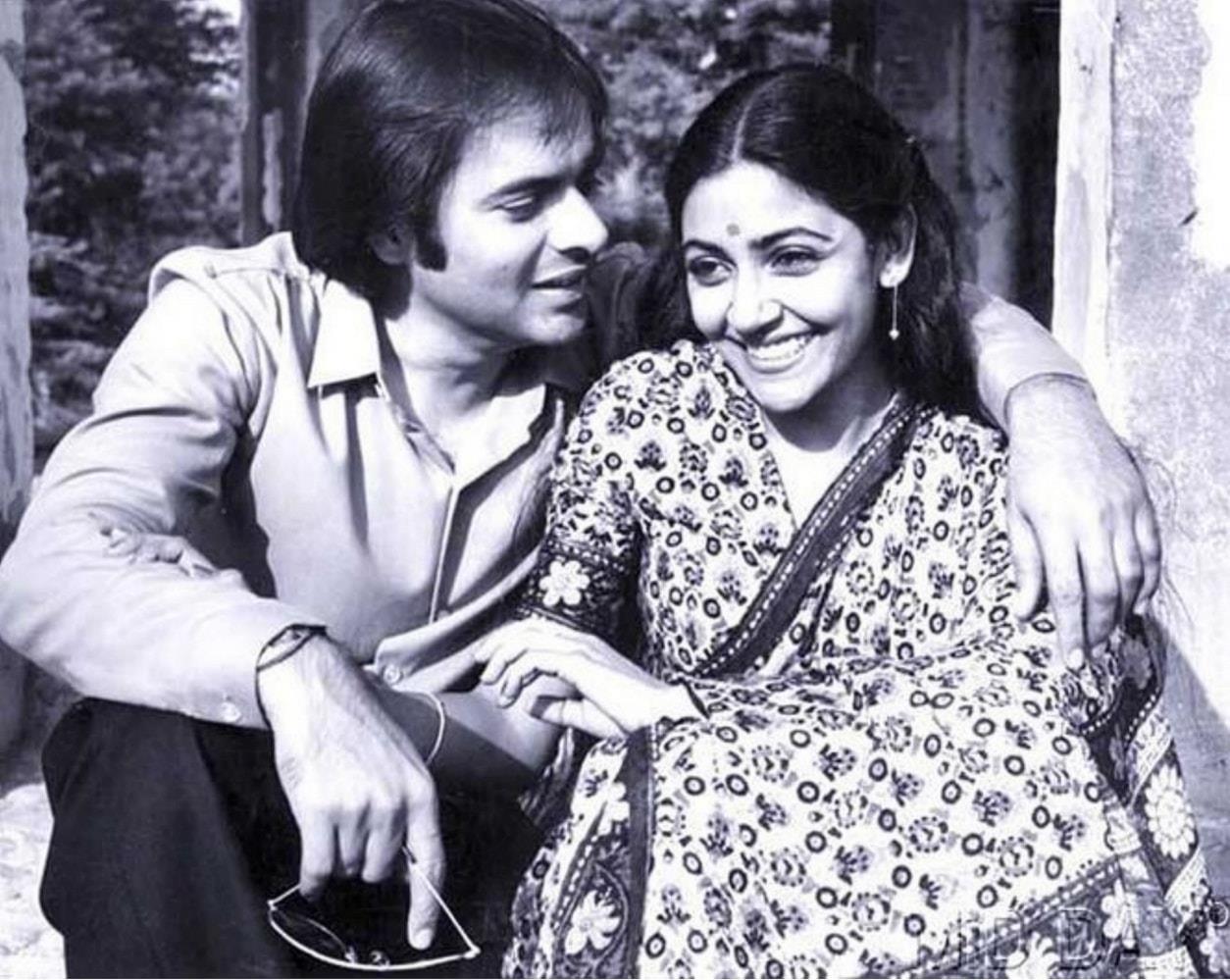
Behind the glamour of Hindi cinema, and particularly in the late 1970s and 1980s, a silent revolution was unfolding. Far from the sheen of mainstream Bollywood, a new generation of films—based on realism and human experience—started thriving. From the hosts of actors who became synonymous with the movement, the combination of Deepti Naval and Farooq Sheikh was something extraordinary.
This was not your run-of-the-mill Bollywood jodi. No over-the-top romantic overtures or glitzy dance numbers here. Rather, Deepti and Farooq infused every role they did together with warmth, intelligence, and authenticity. Their chemistry was not based on melodrama but on respect, understated emotion, and a quiet ease that rang true.
A Meeting of Minds and Moods
Deepti Naval, painter, poet, and actress, brought a sensitivity of the highest order to her performances. With her gentle, unassuming charm and effortless acting ability, she embodied the ordinary Indian woman—strong, reflective, and complex. Farooq Sheikh, in contrast, had a theatre and legal background, and his voice, boyish looks, and absolutely natural acting style were instantly recognizable.
Together, they did magic. As they portrayed lovers, friends, or partners embroiled in the quagmires of life, their presence on screen always seemed effortless and very convincing. Movies such as Chashme Buddoor (1981), Katha (1983), and Saath Saath (1982) did justice to their chemistry in a way that still lingers even years later.
Real Love, Real People
One of the reasons that jodi is still so popular is because they could depict real relationships. In Saath Saath, for instance, Farooq is a principled, idealistic young man, while Deepti is his supportive, down-to-earth partner. Their relationship is all about respect, small spats, and ambitions—far from the melodrama of that time.
Chashme Buddoor, a college romance with plenty of light-hearted humor, proved the lighter side of their pairing. Their scenes appeared to be spontaneous, like two individuals who enjoyed each other's company. There was no larger-than-life factor—just plain old conversations, jokes, and mutual appreciation.
Katha, set in a middle-class chawl in Mumbai, was another standout. Farooq’s quiet, humble character contrasted with Deepti’s spirited persona, and together they brought out the subtleties of trust, choice, and emotional connection.
Their performances reminded viewers that love isn't always about passion and intensity—it can also be about shared values, understanding, and the comfort of companionship.
A Friendship Off-Screen
What was so special about their on-screen relationship was the relationship they had off-screen. Deepti Naval has frequently referred to her close relationship with Farooq Sheikh. In interviews, she remembers his wit, his teasing behavior, and his courteous, gentlemanly behavior. She referred to him as "the best friend I had in the industry."
Farooq, too, admired Deepti’s artistic sensibility. They respected each other not just as co-actors, but as individuals with a shared passion for meaningful cinema. This friendship translated into performances that felt seamless and emotionally rich.
A Final Reunion
They were reunited after a long hiatus in 2013 for the movie Listen… Amaya, an intelligent and contemplative tale of aging, friendship, and going forward from loss. This movie was like a tribute—both to their decades-long career, but also to the resilience of their relationship. It was beautiful and poignant to have them together again, this time as older characters giving life's second chance a shot.
Sadly, Listen… Amaya was Farooq Sheikh's last film. He suddenly died during the same year, leaving behind a legacy which continues to be celebrated and adored.
A Legacy That Lasts
What makes the Deepti Naval–Farooq Sheikh jodi timeless is the authenticity they carried with them to the screen. In an era when Bollywood relied heavily on glamour and hyperbole, they were symbols of quiet revolt. Their films gave voice to the middle class, the dreamers, the thinkers—the individuals who did not necessarily find themselves in mainstream cinema.
Their fairy tales were not fairy tale-like; they were actual. They taught us that emotional complexity, respect, and compassion were as strong as big romantic moments. Through doing so, they left an inventory of work behind that still inspires actors, directors, and viewers today.
In an industry that frequently glorifies loud, larger-than-life duos, the Deepti Naval–Farooq Sheikh couple is a breath of fresh air. Their body of work is not only an ode to fine acting, but also fine storytelling—stories that don't require glitter to sparkle.
Even now, viewing their work is akin to visiting an old friend—familiar, reassuring, and deeply human. And that, maybe, is their greatest testament: demonstrating to us that love could be uncomplex, genuine, yet unforgettable.
Image Credit: Facebook



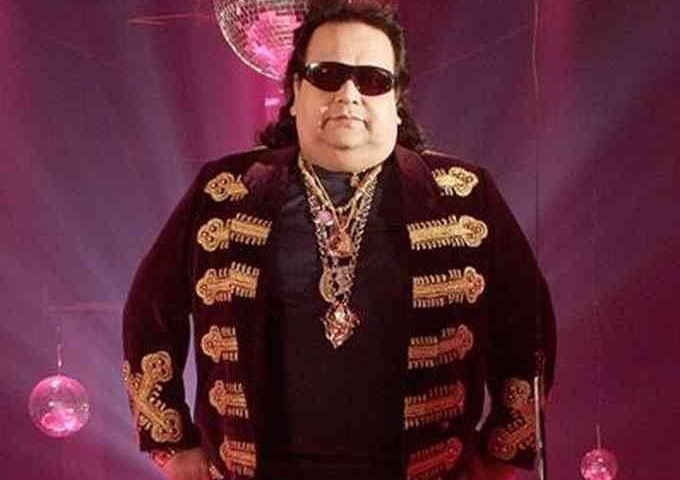
Bappi Lahiri, or affectionately called Bappi da, is one of the most effective and innovative composers in the history of Indian music. Over the course of five decades in his career, he revolutionized Bollywood with a modern, peppy sound that was never heard before. His songs captured the pulse of a changing India that was getting more vibrant, youthful, and ready to welcome global influences. Even today, years after his passing, his melodies continue to echo across generations, proving the timelessness of his genius.
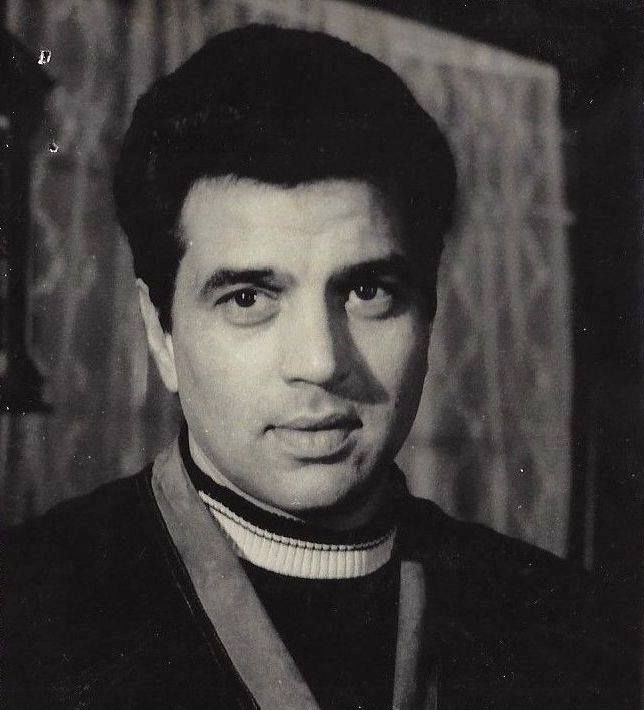
Few stars shine as luminously and as enduringly in the vast and vibrant tapestry of Indian cinema as Dharmendra, affectionately hailed as Bollywood's He-Man. Spanning decades, he remains not just an actor but an emotion, an era, and institution unto himself. From a small-town dreamer to one of the most celebrated and loved icons in film history, his journey is that of being dedicated, humble, and without doubt talented. While generations come and go, the charm of Dharmendra has remained timeless, refusing to pale even for a moment.
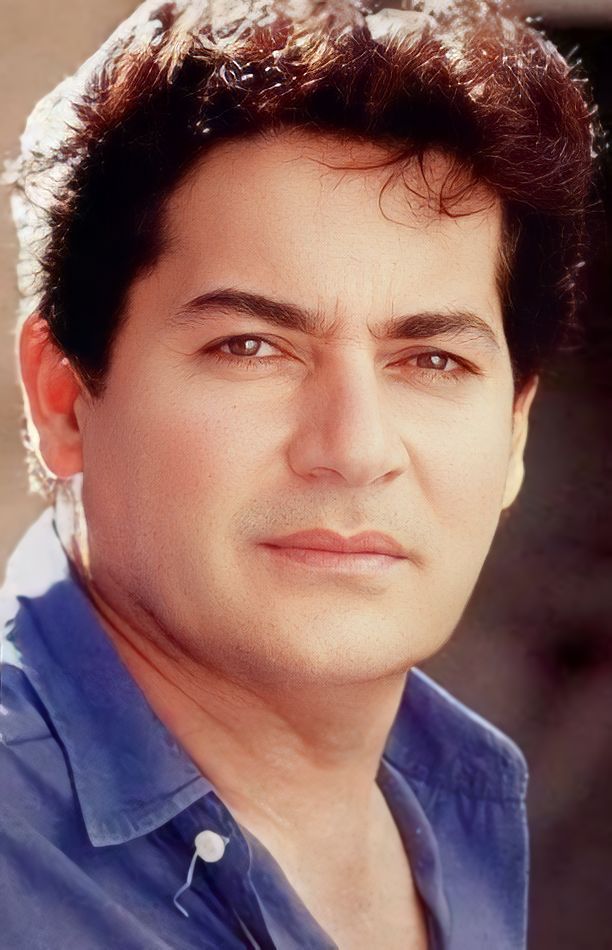
On making a mention of the icons who shaped Indian cinema, the name Salim Khan invariably comes to the top. While a lot of people today know him as the father of superstar Salman Khan, Salim Khan's journey itself in Bollywood is nothing less than extraordinary. He is among those rare personalities who transformed the very language of Hindi cinema and set new standards in storytelling.
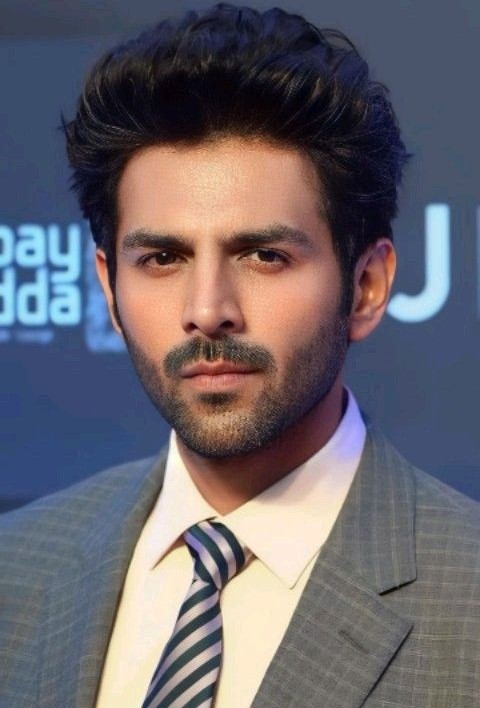
On 22 November every year, millions of fans worldwide come together to celebrate the birthday of one of Bollywood's most loved and bankable stars-Kartik Aaryan. With a career marked by sincerity, hard work, and a sparkling screen presence, Kartik has grown into a symbol of youthful ambition, middle-class determination, and cinematic charm. His journey-from a hopeful boy with dreams to a superstar who commands the screen-is not just inspiring but beautifully relatable.
Lights Camera Audition!
Don't miss out on the latest updates, audition calls, and exclusive tips to elevate your talent. Subscribe to our newsletter and stay inspired on your journey to success!