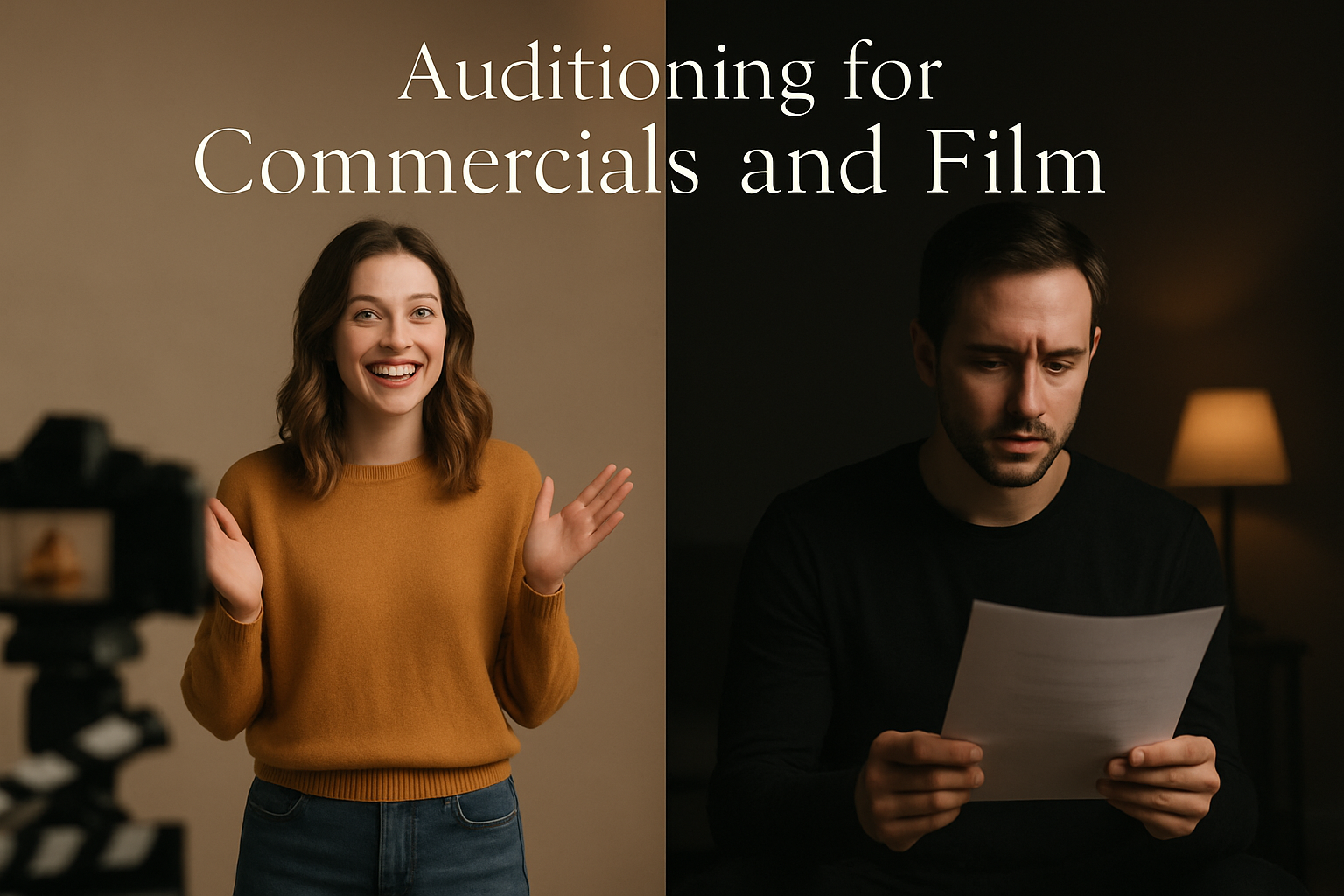
Auditioning is the door into acting, be it entering the high-energy arena of advertising or the emotionally rich universe of film. But even though the essentials of acting—presence, expression, timing—never change, expectations and procedures vary immensely between commercial and film auditions. Knowing these essential variations can assist actors in preparing more effectively and adjusting their performances for each arena.
1. Purpose of the Performance
Commercials:
Commercial auditions are more about selling a product or concept. Usually, the aim is to be likable, energetic, and sincere in a 15- to 60-second commercial. You're not acting out a character with huge emotional depth—you're embodying a notion such as "friendly barista," "worried mom," or "confident teenager." The emotional depth is more limited but has to be right there, believable at an instant's notice.
Films:
Auditions in films emphasize character development and storytelling. You're going to dig into the psyche of a character, know their reasons, and produce emotionally rich performances. The subtlety and consistency of your character throughout the span of a script matter the most. Here, you're not selling anything, but narrating a human experience.
2. Acting Style and Subtlety
Commercials:
Commercials tend to prefer a more-than-life, more animated kind of performing—particularly for products that are specifically toys, food, or technology. The acting is typically heightened, abbreviated, and understandable. Casting directors in most cases prefer someone who can convey an entire emotional arc using a smile or one glance within several seconds.
Conversely, acting in films is internal and subtle. The camera detects even the slightest changes in facial expressions. There is no exaggeration of reactions unless required by the script. Film directors require truth in every scene, sometimes even preferring actors who can "do less" but project strong emotion.
3. Preparation and Script Use
Commercials:
Scripts, commonly referred to as "copy," tend to be brief. Sometimes you're given some lines—or none. Actually, a lot of commercial auditions are non-verbal and are all about facial expressions and body gestures. Since the time is short, preparation is more about memorizing short lines and getting a certain mood or action down in a flash.
Films:
Auditions for films usually consist of reading or performing a scene (sides) from the script. This can be high-level preparation: learning about the background of the character, reading the entire script if possible, and even rehearsing with a coach at times. Improvisation can be applied, but always in context to character and story.
4. Casting Criteria
Commercials
Casting for commercials tends to be strongly look- and type-oriented. They might be seeking "a young dad with a warm smile," or "a trendy woman in her 30s." Energy and personality are as crucial as acting talent. Commercials tend to cast quickly and frequently from a large pool.
Films:
Film casting leans more toward talent and fit for the role’s emotional journey. Physical appearance matters, but it’s more about how well you inhabit the character. Directors may take longer to decide, sometimes auditioning actors multiple times or using callbacks and chemistry reads.
5. Technical Aspects
Commercials:
Commercials auditions will sometimes include "slating" (repeating your name, height, agency) and then going into the copy. You may also be asked to do various takes of the same line to demonstrate range, and sometimes you'll audition straight to camera with minimal or no interaction.
Movies:
In film auditions, you’re often reading with a casting assistant or actor and may be directed to play the scene differently depending on the director’s vision. Emotional preparation is vital. Some film auditions are self-taped, but even then, attention to lighting, framing, and authenticity is crucial.
6. Pace and Pressure
Commercials:
Brisk and competitive, business auditions are usually held consecutively, sometimes with dozens of candidates auditioning in one day. Choices are made promptly—sometimes within days or hours.
Films:
The casting of films may be slow and methodical. There can be several rounds, such as callbacks and screen tests. Consistency and patience are important.
Conclusion
Commercial and film auditions call for all that professionalism, flexibility, and sense of presence, but having an idea of what casting directors are seeking in each genre will enable you to craft your performance and differentiate yourself. Selling soap or embracing an intricate character study, preparation is your trump card. Familiarity with these crucial distinctions can revamp your strategy and lead you to more doors opening in both fields of acting.



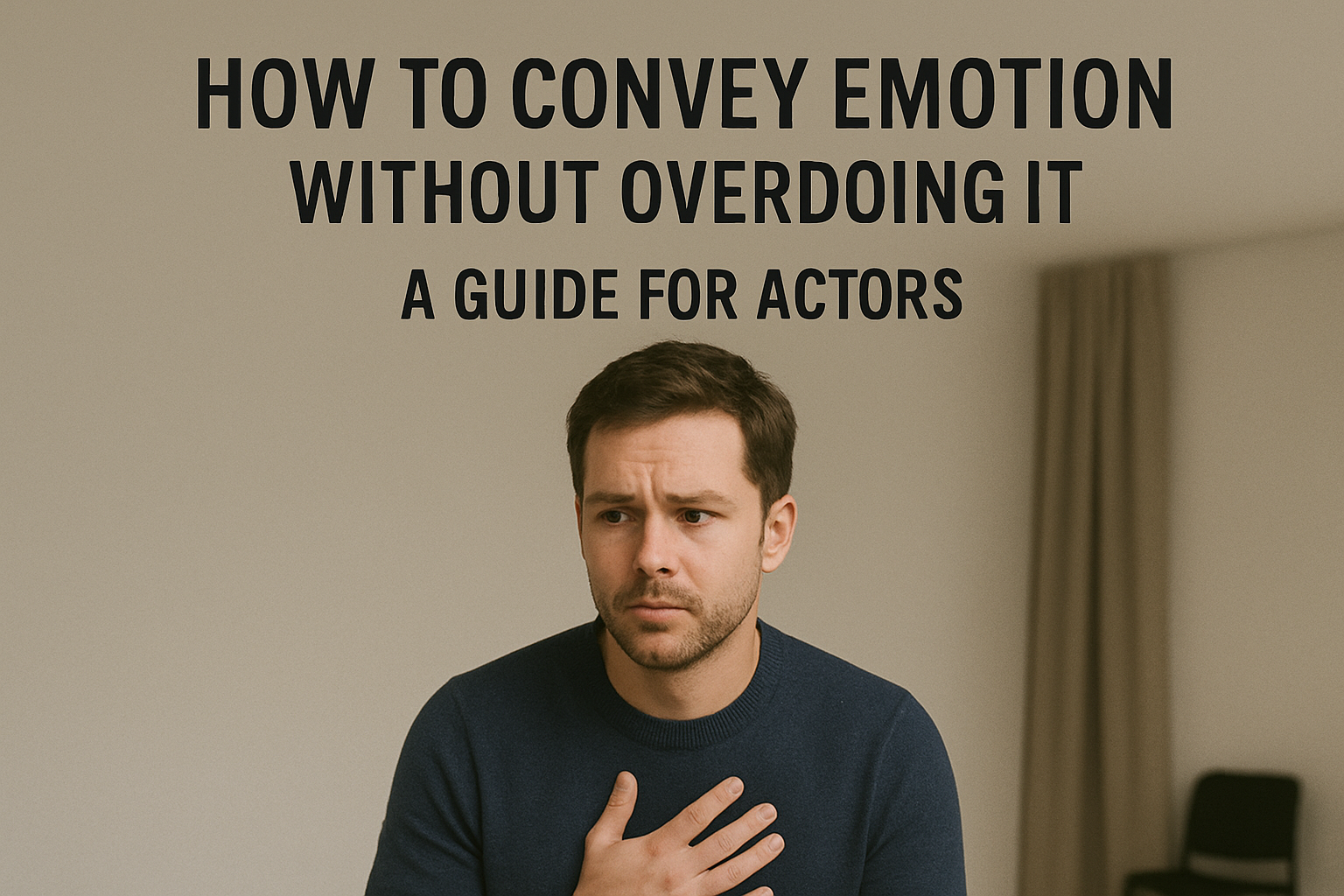
Among the tough battles actors face is how to find the most appropriate balance between emotion display and overacting, either on stage, on camera, or when going for auditions. Many performers fear that without adequate emotions, the moment will fall flat. On the other hand, if emotions are overt, the performance may become exaggerated or not true to life.

The entertainment sector is witnessing a huge shift, and the epicenter of this revolution is digital media. Those days are long gone when acting careers were reserved for silver-screen movies or television. Now, web series and digital media such as Netflix, Amazon Prime, Hotstar, YouTube, and MX Player have opened up the floodgates of opportunities for thespians. But what does it actually mean to be an actor in the digital age? Is it all that different from acting in the past? And why do web series prove so engaging as a platform for new and established performers?
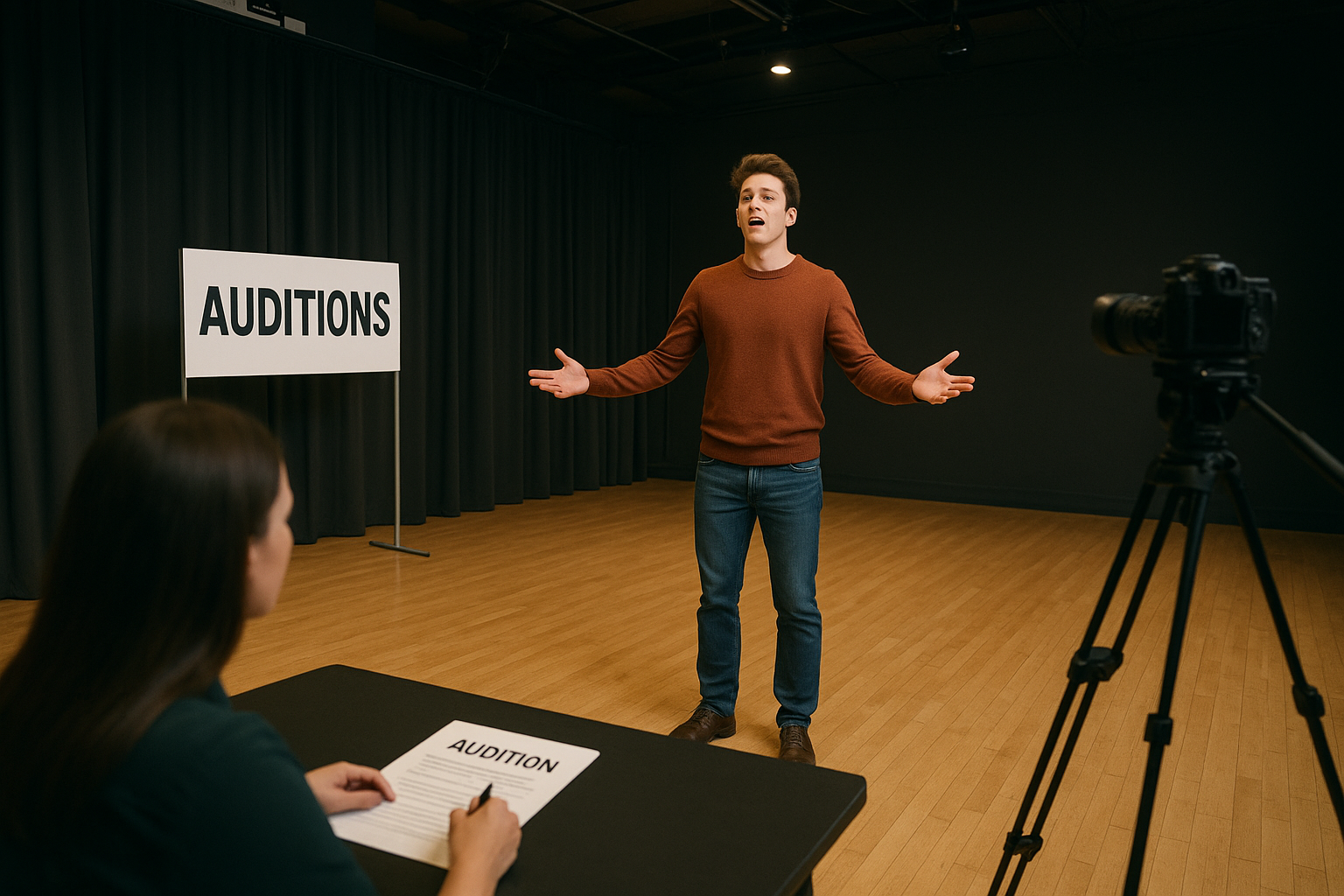
Acting may be an art, but in the world of professional performance, it begins long before the cameras roll or the stage lights shine. It begins with the audition — the often nerve-wracking, unpredictable process that determines whether an actor even gets the chance to perform. For aspiring actors, understanding the relationship between auditioning and acting is not just important — it's essential. One feeds into the other, and together, they shape an actor’s growth, resilience, and ultimate success.

Getting into acting is hard — but succeeding as a freelance actor might be harder. Without the support of a large agency, production company, or manager, you're basically a sole proprietorship. You're the product, the marketer, the promoter, and the brand. So how do you become visible? How do you promote yourself as a freelance actor among so many talented individuals? Whether you're new to the game or wanting to level up, this guide will take you through essential strategies to create visibility, bring in opportunities, and establish yourself as a player in the cutthroat industry of freelance acting.
Lights Camera Audition!
Don't miss out on the latest updates, audition calls, and exclusive tips to elevate your talent. Subscribe to our newsletter and stay inspired on your journey to success!